


Columnist John Moore grew up with yard art, and still proudly displays a concrete gargoyle out on the front porch. Photo: John Moore
Pink flamingos. Chalk and concrete figures. Cast iron pots with flowers. Old school bells. Cars on blocks.
The yard art of yesterday.
I’ve always felt that Southerners were so proud to have a yard with grass in it that we set things out to keep the grass from being stolen.
Many of us grew up in very rural surroundings, such that the yards weren’t cut by lawn mowers, they were cut by billy goats.
Also, Southern women do not possess the ability to have a lawn full of pure grass. No, Southern women must have stuff on it. And that stuff is called, yard art.
Now, much like the contents of the Louvre, the contents of a Southern lawn are subjective. Not everyone gets it.
How else can you explain plastic, pink flamingos?
If aliens have ever landed, one reason they aren’t talking to us could be the plastic, pink flamingos.
By some chance, if you’re unfamiliar with people putting pink flamingos in their yard, folks started doing that in the late 1950s. The best explanation I’ve heard for why is to add color to the yard.
This was the reason I heard a Southern lady once give when asked by moi as to what made her do it. Houses all looked the same at the time and the pink flamingos made hers stand out.
Can’t argue with that.
But flamingos weren’t the only pieces of yard art commonly seen in the 50s and 60s. We also had imitation frogs, deer, birds, gargoyles, and other inanimate objects. All made out of either concrete or chalk.
A series of three deer, all appearing to be walking through someone’s yard, was all the rage. From the road, they appeared to be real. But it quickly became obvious they weren’t when an elderly driver knocked one over and it took out the flowerbed.
Another common piece of yard art was the cast iron wash pot full of pansies, marigolds, or other pretty flowers.
Cast iron wash pots once served the purpose described in their name. Before indoor plumbing, you went outside to use wash pots.
A wash pot was a valued family item. Southern women used them for everything from doing laundry to making lye soap. But with the advent of washing machines and store bought soap, the need for wash pots waned, and eventually disappeared.
But the ladies in Ashdown, Arkansas, especially the ones in my family, just couldn’t let a good and valued wash pot go. So, my grandmother’s wash pot became part of the yard art.
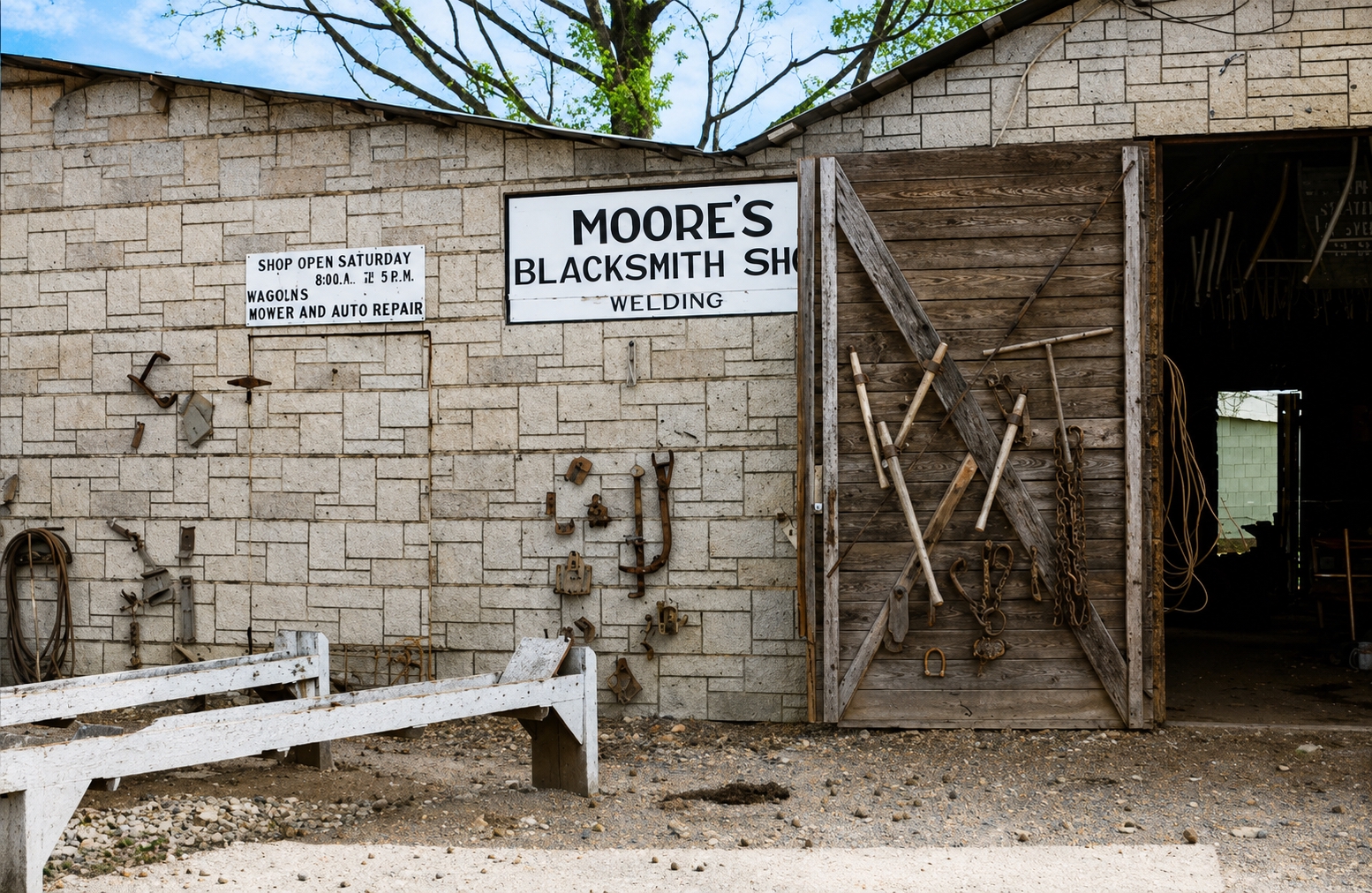
My grandfather was a blacksmith. He fashioned a stand out of an old wagon wheel rim and hung the wash pot from two hooks, then drilled holes in the bottom of the pot for drainage. Once the pot was positioned where my grandmother wanted it, he filled it with soil and she with flowers.
Lawns across the South had cast iron pots with flowers. You passed them on the way to the front porch where you had a choice of knocking on the door, or ringing the bell. Not a doorbell, most folks didn’t have those. I’m referring to the old, recycled bells from schools.
Once schools got electricity and consequently electric bells, the need for the old hand-rung school bells went away.
But many of them found new homes at the front doors of the South.
The quaintness of an old school bell ringing again when company arrived led to many visits down memory lane. Especially for those who had rung the bells on school grounds to announce the beginning of class, lunch, or the end of school.
Bells weren’t the biggest of the art. By far, the largest of Southern yard art were cars on blocks. Instead of trading a vehicle in or selling it, folks down South take the wheels and tires off of them and prop them up on concrete blocks where the Good Lord and everyone else can see them.
No one seems to have a good reason for this, so I’m going with the assumption that a 1972 Oldsmobile Cutlass 442 Convertible set out in the front yard carries the same historical significance as a plastic, pink flamingo.
The wives usually do not give them equal status, and often insist loudly that cars on blocks be sent to the junkyard. But smart men never give in to this, which works out great since when the man dies, the wife soon discovers that she can sell that vehicle to a collector and get very wealthy.
Which is not usually something that happens if she goes first and the fella tries to cash in on the pink flamingos, chalk and concrete figures, cast iron pots with flowers, or old school bells.
So, if your fella has passed, and you have a 1972 442 Convertible out front you’d like to sell, give me a call. But don’t call if you have flamingos, concrete deer, cast iron flower pots, or school bells. We already have all that.
By John Moore, owner of One Moore Production
For more stories about the Sachse community see the next print, or digital edition of The Sachse News. Subscribe today and support local journalism.








0 Comments