


A wide-ranging property tax reform bill, authored by Rep. Angie Chen Button (R–Richardson), is now headed to Gov. Greg Abbott’s desk after clearing both chambers of the Texas Legislature with strong bipartisan support.
House Bill 1533, which passed the House on May 14 by a vote of 126-12 and the Senate unanimously on May 23, proposes a series of changes to the state’s property tax appraisal system aimed at increasing transparency, strengthening taxpayer protections, and improving access to dispute resolution processes.
The bill is expected to be signed by Gov. Abbott and will take effect on September 1, 2025.
“This legislation reflects our commitment to fairness and transparency in the property tax appraisal process,” said Rep. Button. “Texans deserve a system that is accountable, accessible, and respectful of property owners’ rights.”
Among its numerous reforms, HB 1533 mandates that appraisal districts in counties with populations exceeding 120,000 must maintain a public website. These sites will be required to post updated appraisal records weekly, giving property owners timely access to changes in their property values.
The bill also introduces new safeguards around virtual hearings. It shortens the notification deadline for property owners wishing to appear via videoconference or telephone at appraisal review board hearings—from ten days to five—unless they are represented by an agent.
To improve transparency in training for property tax professionals, the bill adds requirements for trainers involved in courses developed by the Texas Comptroller. At least one trainer must be a taxpayer representative with legal experience in property tax law and without any ties to appraisal districts or taxing units. If no qualified individual is available, the comptroller may appoint a substitute trainer who meets secondary eligibility criteria.
Another significant change allows commercial tenants—those leasing property and contractually obligated to pay property taxes—to file for binding arbitration in certain disputes. This provision is limited to properties valued at $5 million or less and seeks to empower small business tenants to challenge unfair appraisals, even if the property owner opts not to appeal.
“This tenant appeal process adds an important layer of fairness, especially for small businesses operating under triple-net leases,” said Button. “It gives them a seat at the table when it comes to valuation disputes.”
HB 1533 also places tighter controls on the use of subpoenas by appraisal review boards. Boards must now hold a hearing and show good cause before issuing subpoenas and provide at least 15 days’ written notice to all parties involved. Additionally, in court appeals, judges may not impose discovery deadlines for expert witnesses that are earlier than those set by the Texas Rules of Civil Procedure—unless all parties agree.
Gov. Abbott has not yet commented publicly on the bill but is expected to sign it. The bill’s various provisions have staggered implementation timelines, with most taking effect in September 2025 and arbitration-related provisions becoming effective on January 1, 2026.
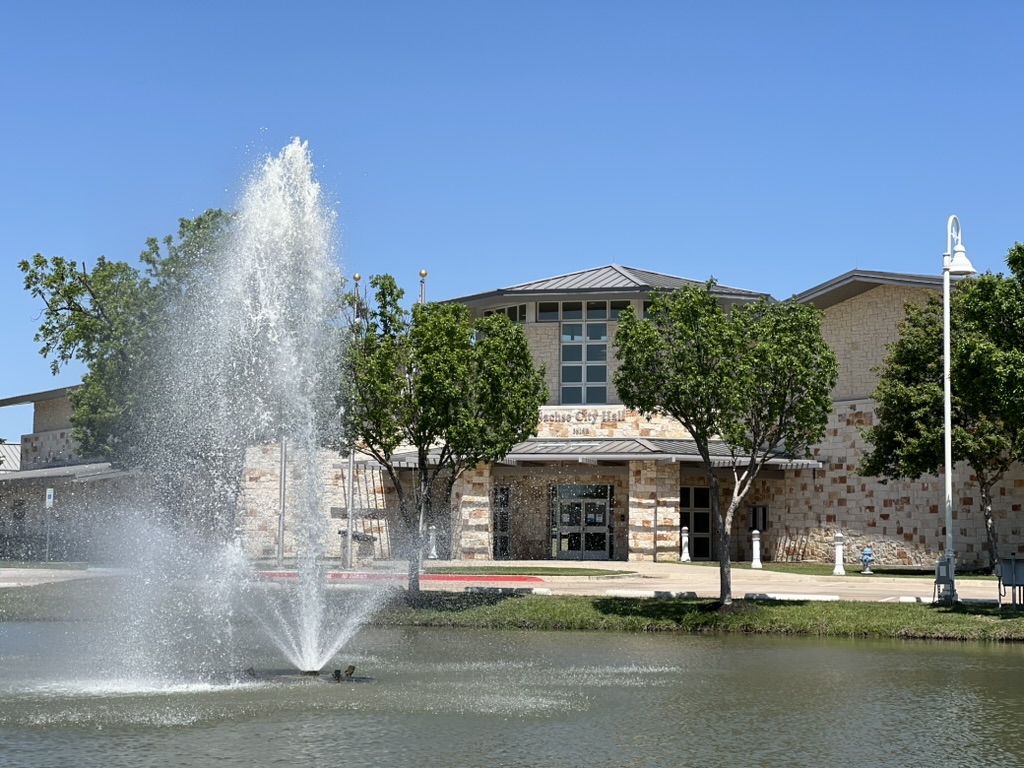
For more stories about the Sachse community see the next print, or digital edition of The Sachse News. Subscribe today and support local journalism.











0 Comments